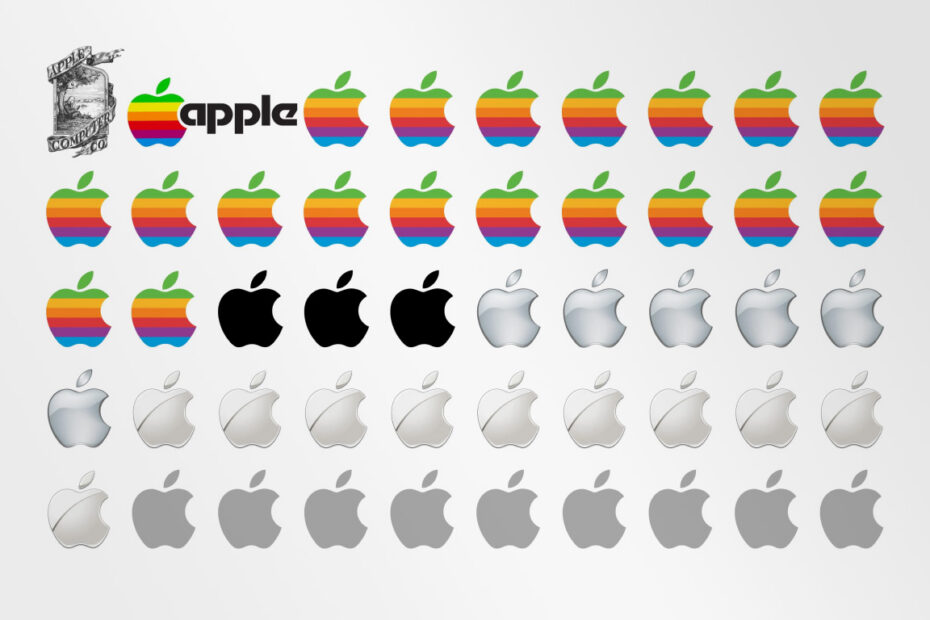

Apple was founded on April 1, 1976. Which makes this year its golden anniversary. So, as Apple turns 50, let’s dig into 50 ways it changed the world – mostly covering the mobile space, because that’s our beat!
10 Apple hardware icons

iMac (1998): Like something out of The Jetsons, Apple’s gorgeous semi-transparent desktop started a run of tech products you’d want to have in the home, ditching boring beige forever.
iPod (2001): This mega-hit in music began Apple’s modern-day mobile efforts in earnest, with its mix of portability, cultural impact, and innovative, intuitive controls.
iPhone (2007): It’s easy to forget how revolutionary Apple’s smartphone was. Its design may seem obvious now, but iPhone was the first mainstream smartphone to ditch the keyboard and go “all-screen.”
iPod touch (2007): Technology cuts through when it’s accessible, and so the iPod touch was a masterstroke, leveraging an already famous brand and giving people a taste of the iPhone for far less outlay.
iPod nano 6th-gen (2010): The iPod nano was a design playground, shifting form factors with each release. But the 6th-gen most stands out, looking like a dry run for the Apple Watch.

iPad (2010): The iPhone reportedly started out as a tablet project. With iPad, Apple came full circle, scaling up iOS and providing a bigger canvas for touchscreen apps and games.
iPhone 4 (2010): This one’s all about the design and screen. Its chic metal edges inform Apple products to this day. And the pin-sharp Retina display ruined you for lesser screens.
Apple Watch (2015): Apple’s wasn’t the first wrist-based computer, but the integrated approach excelled – at least once Apple stopped all the bling nonsense and doubled down on health features.
iPhone X (2017): Almost making good on Apple’s all-screen dream, the iPhone X’s radical redesign removed the Home button and most of the bezels while introducing Face ID.
iPad Pro 12.9in (2018): The iPad’s turn at all-screen was even better. The bezel neatly integrated the camera, leaving you with a distraction-free slab that became whatever you ran on it.
10 essential iPhone apps

App Store: Prior to the iPhone, buying mobile apps could be nightmarish. The App Store reimagined the process, making it simpler for app-makers to sell and users to buy.
Camera: The iPhone’s camera wasn’t the most powerful, but it cemented the notion that the best camera is the one you have with you. But it only worked because of this simple app for shooting snaps.
FaceTime: Apple wasn’t first to video chat – like it rarely is to anything. But deep system integration made FaceTime shine because it was just so easy to use.
GarageBand: On Mac, GarageBand was impressive. On iPhone, it was astonishing. An entire recording studio, in your pocket, for five bucks? Done. You really could make a chart hit just on your phone.
Health: Apple could still do more to put Health data into context, but this central app for all your wellbeing info was a big improvement over data being scattered across dozens of apps.

iMovie: Just as GarageBand put a recording studio in your pocket, iMovie gave you a complete mobile editing suite, allowing you to craft a miniature Hollywood masterpiece right on your iPhone.
Messages: A masterstroke in instant messaging, Apple’s system made it free for Apple users to chat – although relegated everyone else to “green” bubbles of badness.
Passwords: A surprising latecomer, arriving in 2024, this app is nonetheless vital, giving you fast access to passwords and passkeys, along with nudging you when logins are compromised.
Photos: Just as Camera made it a breeze to capture images, Photos immediately made managing your library straightforward, and it increasingly added editing and curation options.
Safari: When the iPhone launched, Steve Jobs derided the “baby internet” offered on other devices. Right away, Apple’s smartphone gave you the whole thing, without compromise.
10 defining Apple services
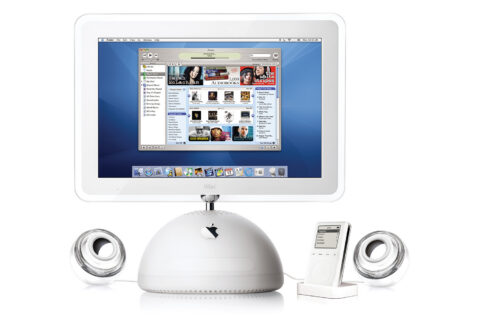
iTunes Store (2003): The first of Apple’s modern media services reimagined music, unbundling albums so you could buy single tracks, and laid the groundwork for Apple Music.
MobileMe (2008): Defining because it was disastrous, the MobileMe cloud service bundle was mostly a failure. But lessons were learned and Apple would do a much better job a few years later…
Find My iPhone (2009): Pocket-sized computers that cost as much as a computer are great – until you lose one. This app gave you a fighting chance of recovering a lost iPhone.
AppleCare+ (2011): The AppleCare extended warranty service had long existed for Apple gear, but AppleCare+ added up to two incidents of accidental damage – ideal for fragile iPhones that had so much glass.
iCloud (2011): Apple’s revamped set of cloud services provided a foundation for a device-agnostic future (at least, if it was Apple gear), where all your media and documents were accessible wherever you signed in.

Apple Pay (2014): In Apple’s quest to reduce friction and remove other objects from your life, iPhone became a means of payment – a seamless conduit for your cards.
iCloud Photo Library (2015): In 2011, Photo Stream let you access your most recent 1,000 photos from anywhere. iCloud Photo Library increased that to your entire collection.
Apple Music (2015): Other streaming music services exist, but Apple Music built on existing collections, allowing you to take them to the cloud alongside millions of on-demand tracks.
Apple TV+ (2019): Apple’s play for the living room ramped up through its own streaming shows and movies, which to this day aim for quality over quantity.
Apple One (2020): Not so much a service as a services bundle, Apple One nonetheless recognized people like a bargain. Expect the bundle options to continue evolving over time.
10 breakthrough Apple mobile features

AirDrop: Sending files between devices, without any need for cables and apps, suddenly felt instant and obvious. It’s still unmatched in its elegance and simplicity.
AirPlay: Ever since Steve Jobs waved a hoop over an iBook, you got the impression Apple hates wires. AirPlay tech freed you from using them when you wanted to send media from devices to speakers and screens.
Dynamic Island: Selfie cameras have long felt like a blemish on smartphone screens, but Apple’s mash-up of hardware and software transformed its iPhone notch into something playful and useful.
Face ID: Touch ID established biometric security for Apple devices, but Face ID took things up a level, using the 3D contours of your face as a key.
Inertial scrolling: The physics of iOS deserves a lot of credit, with scrolling and rubber-banding alike making interactions feel responsive, tactile, and anything but rigid.

Handoff: Apple likes to think of its products as being a single ecosystem. Being able to start a document or a call on one device and switch to another made that feel seamless.
Live Photos: The best photos help you relive precious moments. By integrating snippets of video, Apple made the medium come alive in a magical way.
Multitouch: Other devices could be controlled by styluses. Apple reasoned most people have ten already, and unleashed an interface built for fingers, end to end.
Siri: Apple’s virtual assistant might seem like a joke today, but Siri really was cutting-edge when it debuted. And even now, it’s still a boon when you understand its limitations.
VoiceOver: Really, this could have been any number of accessibility features, but in making touchscreen devices usable for people with visual impairments, Apple set a meaningful standard.
10 Apple accessories that mattered
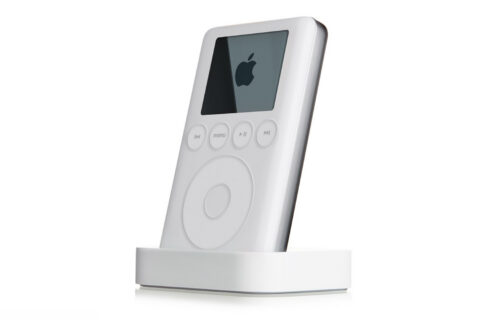
iPod Dock (2003): The dock recognized iPod was more than a mere modern take on the Walkman, giving you a place to charge it, along with audio line-out to powered speakers.
iPad Camera Connection Kit (2010): A two-part set designed to download photos from digital cameras, this kit also kicked off wider USB connectivity for Apple mobile gear.
iPhone 4 bumper (2010): If you held the iPhone 4 “wrong,” its signal tanked. Apple grumbled but saved face by offering everyone a free “bumper” case. Not its finest hour.
Apple Pencil (2015): “Who wants a stylus? Yuck!” exclaimed Steve Jobs during the iPhone’s launch. Fair. But an optional one for art and fine control? Now, that worked.
AirPods (2016): Apple claimed “courage” allowed it to remove the headphone port from iPhones. But selling truckloads of these cutting-edge wireless earbuds must have helped.

Lightning headphone adapter (2016): For people still wedded to wires, this little dongle was a blessing. It was bundled with iPhones before becoming a standalone $9/£9 accessory.
Magic Keyboard for iPad (2020): That this keyboard cost as much as an entry-level iPad stung, but there’s no denying it was a fantastic way to turn Apple’s tablet into a laptop.
Apple MagSafe Charger (2020): The MagSafe system as a whole was a great innovation, and Apple’s charger made adding juice to your iPhone effortless.
HomePod mini (2020): Apple’s previous forays into speakers had mixed results, but these colorful, affordable orbs were joyful to have around the home and sounded great.
AirTag (2021): Allowing you to leverage the colossal Find My network to locate almost anything, AirTags even let you swap out the battery. How very un-Apple!