
I still remember the grumbling in September 2017, when Apple unveiled the iPhone 8… and then immediately upstaged it by teasing the iPhone X. Apple said you could have the 8 in your hands ten days later, or wait two months for a glimpse of the future, provided your bank account could survive the experience.
That awkward split launch sticks out in Apple’s history because it almost never does that sort of thing. For all the complexity Apple has layered onto the iPhone lineup over the years, the company has kept its release schedule refreshingly simple: everything arrives at once, in the fall.
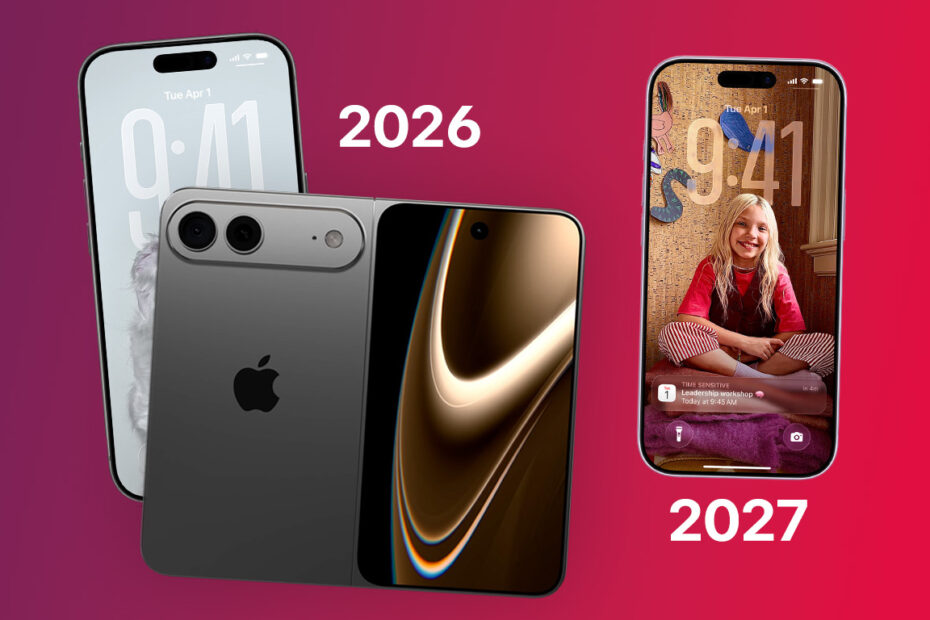
The only exception has been the entry-level iPhone. The SE (now the “e”) lives in its own little world, unpredictably popping up mid-cycle. No one expects consistency there. But rumors suggest Apple is to break its launch rhythm for the standard iPhone. In 2026, for the first time since 2011, there will be no new standard iPhone in the fall. Instead, the iPhone 18 will reportedly arrive in spring 2027.
But why?
Follow the money
In a sense, this is as much a statement of intent as a delay. And Apple likely has multiple overlapping reasons if this schedule happens.
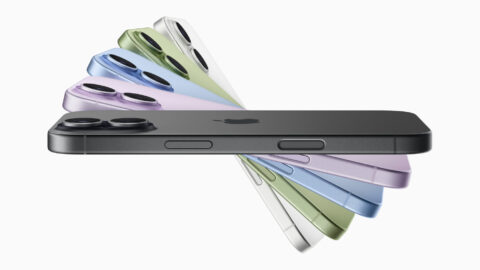
The first reason is cold, hard cash. Apple might like smoother revenue across the year – and two iPhone “bumps” are better than one. Also, the iPhone Air didn’t land how Apple hoped. Buyers gravitated toward the Pro and, tellingly, the standard iPhone. The latter should not be surprising. With the iPhone 17, Apple finally fixed the biggest weakness of the base model, giving it a genuinely modern display – the same panel as the Pro has. For me, it was – and still is – the best iPhone to buy.
But by late 2026, perhaps Apple’s banking on there being pent-up demand and betting people who might have bought an iPhone 18 would stretch to a Pro. After all, whether you upgrade every year or every three, why buy what suddenly feels like “old” tech?
Snap to attention

Then there’s the iPhone Fold. All rumors point to Apple’s first foray into foldable hardware arriving this year. Apple gets one chance to make a first impression, and the last thing it wants is a brand-new iPhone 18 sitting in stores, inviting uncomfortable comparisons.
It’s one thing to justify a $2,000 foldable against Pro models. It’s another when a far more affordable new iPhone exists nearby too. But removing the iPhone 18 from the equation simplifies matters. If you want the future, you buy the Fold. If you want the best normal iPhone, you buy the Pro. If you want something much cheaper, you’ll have to wait.
To be fair to Apple, there’s a supply chain angle too. This area is where Tim Cook’s reputation looms large. Apple is already juggling a broad hardware lineup. Foldables add significant complexity and risk. There are new displays, new hinges, and new failure points. Apple will want suppliers and logistics teams focused on getting the Fold right, not stretched thin trying to ramp up a whole new iPhone generation and the Fold at the same time. If something has to give, it’s not going to be a flagship model.
Time is money
For plenty of people, none of this will matter. If you own an iPhone 17 and don’t treat your smartphone like a yearly subscription, you won’t even notice a six-month iPhone 18 delay. But across the wider market, the value of that device will start to sting.
In September 2025, the iPhone 17 represented fantastic value – at least for an iPhone. But by September 2026, it will be a year old, and Apple is famously allergic to price drops. Stretch that timeline further and the standard iPhone will start to feel less like a smart buy and more like a compromise.
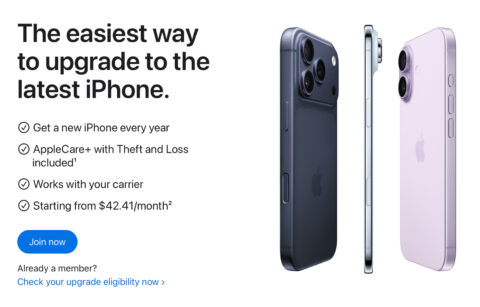
Anyone on the iPhone Upgrade Program may feel particularly short-changed, having to choose between a six-month delay for a new device or higher payments for a Pro model they neither want nor need. Apple will have to manage expectations accordingly. Because while delaying the iPhone 18 may make perfect sense for Apple, for the rest of us it’s a reminder that when big tech companies shake up release schedules in unprecedented ways, it’s rarely for our benefit.