


Have you upgraded to iOS 26 yet? If not, you should. But you shouldn’t have to. Unfortunately, Apple has decided otherwise. Let me explain.
You might have seen the headlines: iOS 26.2 patches major security flaws in Safari and Messages. This is an update you don’t want to sit on. Rule number one of modern computing is if you see a major security fix, you install it.
The problem is how Apple has chosen to handle this particular update. On the Mac, Apple has long issued security updates for older operating systems. Since iOS 15, the iPhone’s enjoyed a similar arrangement. If you didn’t want the shiny new release, you could stay put and remain secure.
This time, Apple has quietly changed things. There is an iOS 18.7.3 update that patches the same vulnerabilities. But if your iPhone is capable of running iOS 26, Apple won’t let you install it. Which means if you own an iPhone 11, an iPhone SE (2nd gen) or anything newer, your choice is to upgrade to iOS 26.2 or continue using a device that isn’t fully secure. By contrast, Mac users can opt for macOS Tahoe 26.2 or macOS Sequoia 15.7.3.

Want to stay on iOS 18? Too bad.
Why the sudden hard line on iPhone? The likely explanation is low iOS 26 adoption. Exact numbers are murky, and reports like one claiming 16% of eligible devices were on iOS 26 in December 2025 should be treated with healthy skepticism. But more credible analysis suggests iOS 26 is nonetheless lagging well behind iOS 18 at the same point in its lifecycle.
For Apple, that’s a concern. The company normally enjoys rapid mass migration, helped along by the fact every supported device can upgrade on day one. It’s something Apple has openly mocked Android for, because updates on that platform often roll out months – or years – late across devices.
Liquid pass
It’s hard to pinpoint a single cause for the change in uptake, although Liquid Glass is one culprit. Rather than being iterative, the redesign proved disruptive and divisive. It breaks muscle memory. Visual clarity has been atomized. Accessibility has taken a major hit. Several revisions later and it still feels desperately unfinished. That news has spread and may have put users off.
So in early December, Apple started nudging users more aggressively, pushing iOS 26.1 above iOS 18.7.2 in Settings. A few weeks later, the latest security scare emerged, and the iOS 18 option vanished entirely. For a brief moment, you could install a beta build of iOS 18.7.3, but Apple removed that lifeline once news of its existence started circulating.
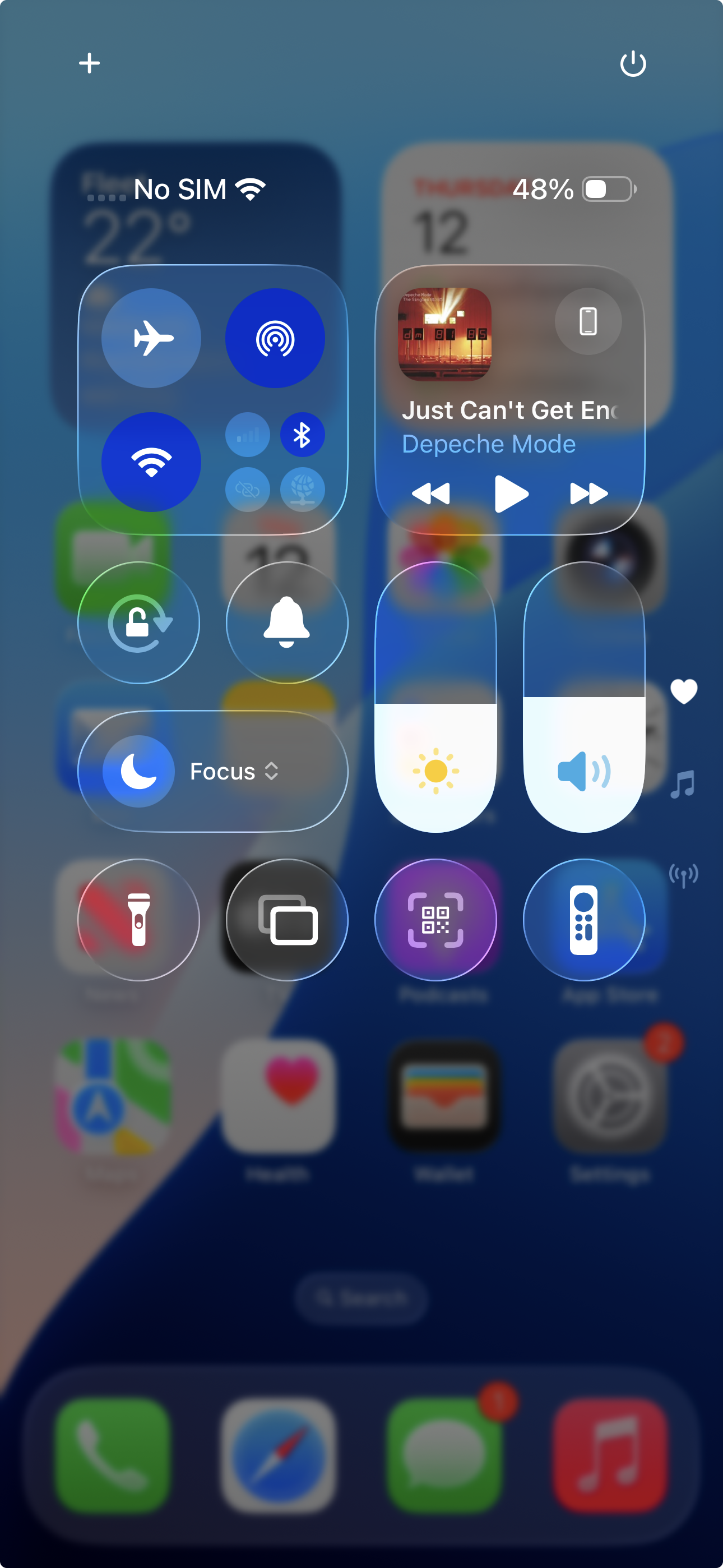
Liquid Glass is no longer this bad, but it’s still bad.
Some will argue that even this isn’t new. Back in 2021, Apple said it would allow users “choice between two software update versions,” but the company’s patience soon ran out. By January, your “choice” was, like today, the latest OS or nothing. With iOS 26, though, the reversal arrived earlier and during a critical security window.
And, again, the context has changed. For users who depend on familiarity and consistency, iOS 26 will be more shock than upgrade. Forcing that transition, under the threat of reduced security, feels heavy-handed at best.
I’m not suggesting Apple should support iOS 18 indefinitely. That’s unrealistic. But this year was the obvious candidate to let it live a little longer for everyone, especially given that iOS 18.7.3 exists. Instead, Apple decided on the opposite.
Security updates are there to protect users, not strong-arm them. And right now, Apple has crossed that line.