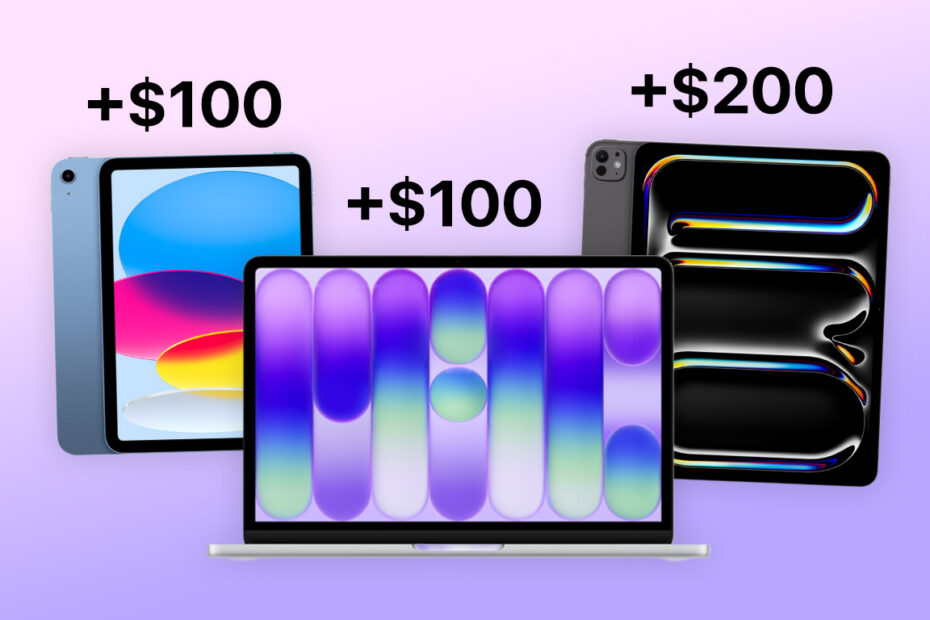

On 18 June, current Apple CEO Tim Cook told the Wall Street Journal that price increases were “inevitable”. According to Cook, Apple had done everything it could to shield customers from soaring component costs, but the situation had become “unsustainable.”
The culprit, he said, was the AI gold rush. As the AI industry has exploded, data centers have been gulping down memory and storage. Hardware makers have found themselves squeezed – even behemoths like Apple. As Cook put it: “I’ve never seen anything like it in any area in over 40 years.” He did, naturally, neglect to mention that Apple itself is also part of that gold rush, and its own AI ambitions are helping to drive demand for the very components it says have become prohibitively expensive.
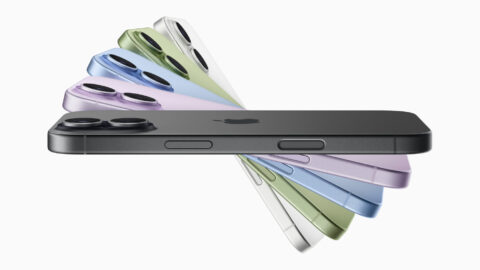
iPhone 17: surprisingly still the same price it was before.
Apple didn’t provide a timeline for pricing changes, but immediately added $200 to the cost of a Mac mini by discontinuing the cheapest model. Higher-end configurations also began disappearing from sale, making it clear price rises were coming sooner than people realized. Speculation shifted to when, not if.
When turned out to be a week. Credit to Cook for giving people a chance to buy before the axe fell, but dawdlers suddenly discovered on 25 June that most Apple products were now more expensive.
Somehow, the iPhone, Apple Watch, AirPods, Studio Display, and Apple Pencil escaped unscathed. It’s likely iPhone and Apple Watch prices will go up when new models appear in September. AirPods and Apple Pencil aren’t affected by the components driving these increases. And the Studio Display? That has the guts of an iPad inside, yet its price didn’t go up. Strange.
All pain, no gain
The same can’t be said for actual iPads. The entry-level model leapt from $349 to $449, nudging it out of impulse buy territory. Apple’s new, revolutionary, and surprisingly affordable MacBook Neo became only two of those things, given that its starting price shot up from $599 to $699. The four-year-old Apple TV – already arguably expensive compared to rivals TV boxes – jumped from $129 to a laughable $199. Further up the range, the numbers became increasingly eye-watering, from $200 on a MacBook Air to a whopping $1,300 on a Mac Studio M3 Ultra.
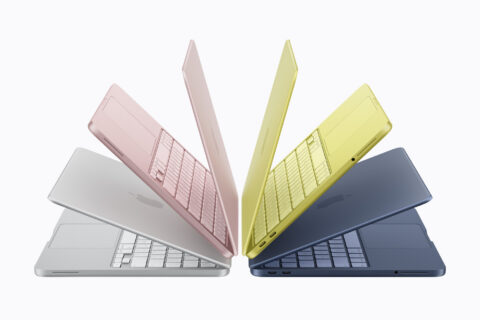
MacBook Neo: no longer quite the bargain it once was.
We know why Apple hiked its prices, but the question is whether it had to. Apple famously enjoys colossal profit margins. Even before these increases, its memory and storage upgrades carried famously hefty mark-ups, often costing several times more than equivalent PC components. And, sure, Apple’s unified memory isn’t directly comparable to buying RAM sticks and SSDs off the shelf, but the sheer gulf between the two makes me question whether Apple had to act.
Was this about avoiding losses or merely avoiding lower margins that might make shareholders and Wall Street uncomfortable? The answer probably lies somewhere in the middle. What’s not debatable: Apple hardware is unlikely to get cheaper any time soon. In fact, if AI’s insatiable appetite for memory keeps growing rather than the industry spectacularly imploding, today’s painful prices may one day even look like a bargain.