
You might not care that Apple will soon have a new CEO. But if you like the iPhone, you should. The CEO sets a company’s direction – and not just whether it succeeds, but also how.4
Those with long memories will recall that Apple almost disappeared during the 1990s, under the tenure of Michael Spindler and Gil Amelio. Rumors swirled about buyouts from Sun Microsystems, General Electric, and an Oracle-led consortium. Instead, Apple bought NeXT Computer – which meant Steve Jobs returned as an “advisor” to the company he co-founded. One boardroom coup later, Jobs was in control.

Steve Jobs holding an iPhone 4.
Jobs radically reshaped Apple, resulting in an unprecedented number of hits. iMac and iBook rethought desktops and portables. iPod and iTunes transformed music. And iPhone redefined the smartphone. Tim Cook’s Apple has also been hugely successful, but in a different way. There have been standout products – notably Apple Watch and Apple Silicon – but his key legacy is scale. Under Cook, Apple became an industry giant.
The downside has been a change in vibe. Behavior that might pass as a scrappy upstart feels very different coming from a dominant player. Hence Cook’s Apple receiving increasing scrutiny and pushback around regulation, developer relations, ads, and hardware missteps like the cancelled Apple Car and underwhelming Vision Pro.
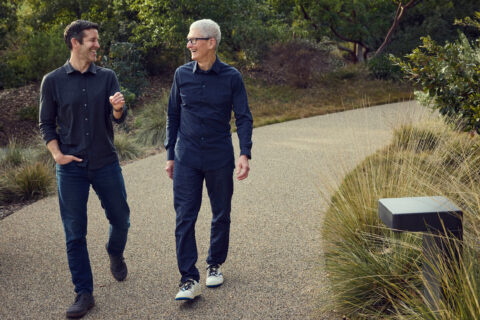
Ternus (left) and Cook (right).
From September 1, John Ternus takes the reins, and will start to make his mark on how Apple creates, functions, operates, and presents itself. But what does his leadership mean for Apple’s most important product?
A product-first Apple
Steve Jobs was a tech visionary with a razor-sharp focus on the end user. Tim Cook is a master of operations, scale, and creativity through consensus. John Ternus sits somewhere between, but is reportedly closer to Jobs than Cook.
He’s known for being decisive and product-minded, rather than a fan of committee thinking. And, crucially, his background is hardware. That alone could shift Apple’s priorities. Under Ternus, the iPhone could again be the reason everything else exists, rather than increasingly acting as a conduit for services revenue.
That’s good news for you. It suggests a renewed focus on the experience itself – what really matters – rather than layers of monetization.
Affordability through constraints
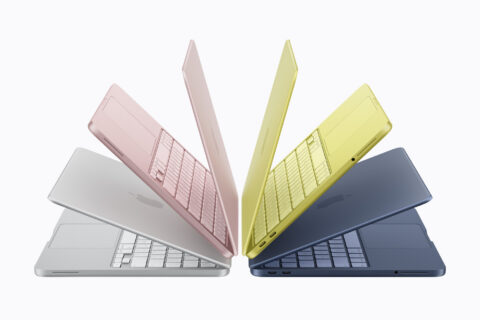
MacBook Neo.
Ternus knows iPhone inside out. But one of his most interesting projects is the MacBook Neo. He championed a cheaper Apple laptop for younger people, said it’s “only the beginning,” and has so far been proven right by the critical and commercial response to the product.
MacBook Neo shows Ternus is keen to ship products that solve real problems and for which there’s a genuine demand. He’s not chasing billion-dollar moonshots or pushing out hardware before it’s ready. It also demonstrates he understands how to make a product affordable without gutting what makes Apple feel like Apple. The Neo makes compromises, sure, but still delivers the core experience.
For iPhone, that could mean a rethink of the entry point. Not just a cheaper device, but a better-designed one that does more with less. With ongoing constraints around components and costs, that approach could prove essential.
Distinctive iPhones that actually ship
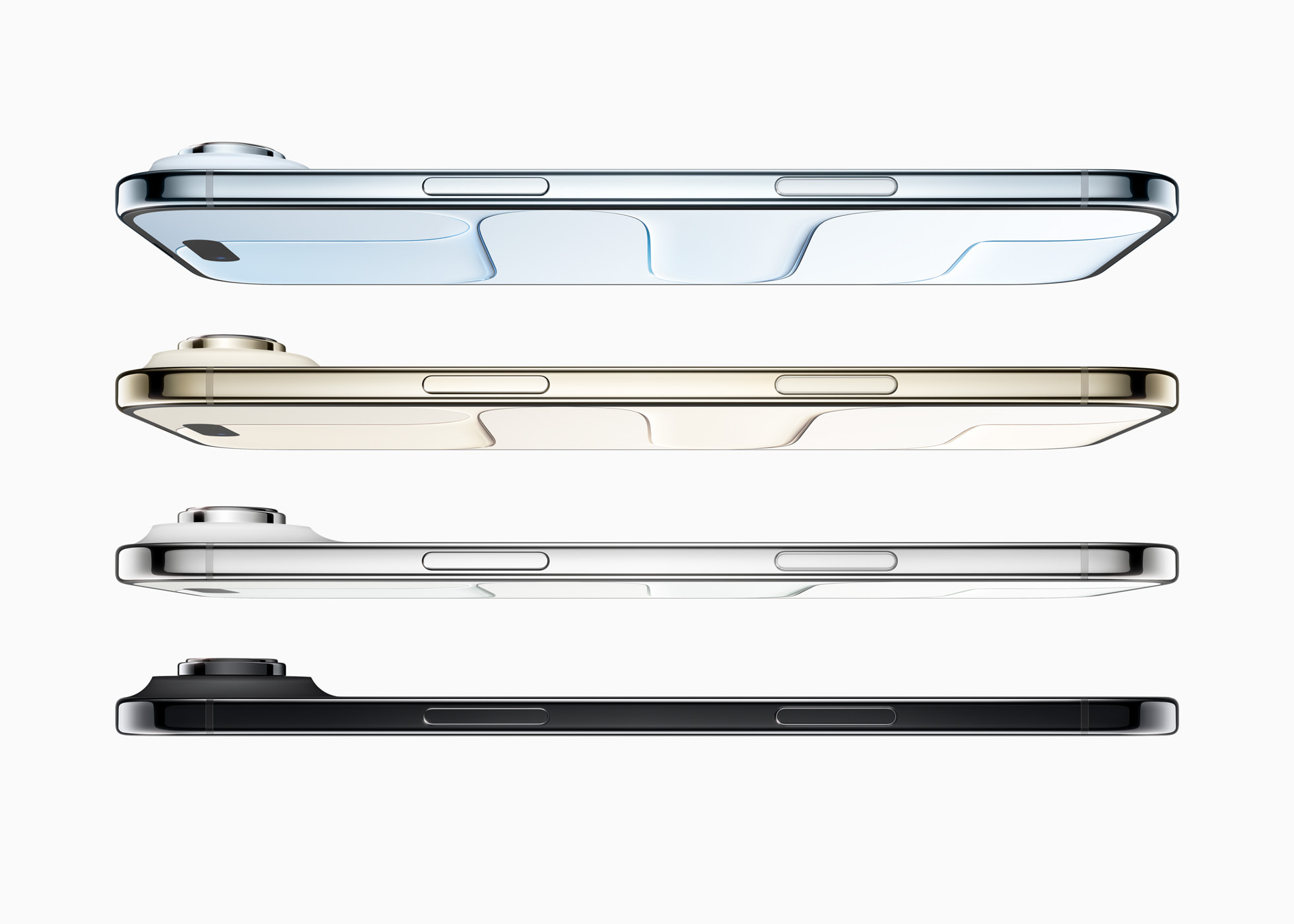
iPhone Air.
Ternus is said to be more iterative than revolutionary, but that doesn’t mean he won’t be bold. He drove the divisive iPhone Air, which, love it or hate it, showed a willingness to take risks within Apple’s most important product line. It also showed restraint, in that not every iPhone has to do everything. You can say no.
That makes me wonder if Apple’s lineup might become clearer and more intentional, rather than a set of heavily “overlapping” models. Think iPhones Neo, Air, Pro, and Ultra, each with distinct purposes, trade-offs, and identities that click with specific audiences.
The common thread would be focusing on what users actually feel: battery life, heat, power, camera quality, and design that pushes things forward without being gimmicky.
Software treated like hardware

iOS 26 feels less refined than Apple’s hardware.
My hope is a hardware-first CEO won’t ignore software, and will instead expect it to match the same level of care put into Apple devices. This could mean pushing back on bloated features, unfocused design, and AI that feels more like a checkbox than a breakthrough.
I’d also like to see Ternus resist the creep of ads and upsells that continue to dilute the Apple experience. Under Cook, iPhone has increasingly become a platform for services. Now, it has a chance to swing back the other way, with software existing to elevate the device, rather than eroding the integrity of the product experience.
Every feature should prove its worth from that standpoint. The iPhone must not become a vessel for everything else Apple wants to sell. It must be the whole package – hardware and software working as one. Under John Ternus, there’s a real chance it could become exactly that.