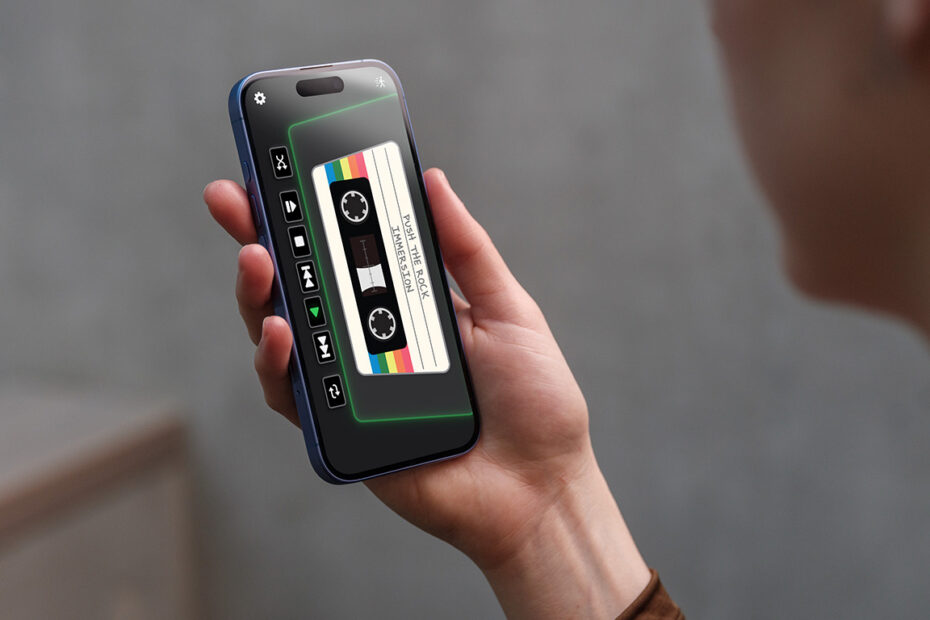

I am bad at exercise. Not in a “bad at sport” way. But in a “will find literally anything else to do” way. Not ideal when I’m at an age when moving regularly is less an optional lifestyle choice and more an ongoing maintenance contract.
The problem is motivation. I need encouragement, and streak apps alone aren’t enough. In fact, they can even backfire. After hundreds of days of maintaining a smug 100 percent record on my Apple Watch, I discovered one day – minutes before midnight – that it had inexplicably failed to record a session. My streak was gone, along with my enthusiasm.

Gentler Streak.
I’ve since spent time with Gentler Streak, which does a far better job of exercise tracking and encouragement. Its personalized training zones feel human, and its overall vibe is supportive rather than binary. You’re not failing – you’re recovering, building, or doing just fine. It helps, but it’s not always enough.
So here’s the part that might horrify exercise purists: the final piece of the puzzle for me is often the opposite of mindful movement. In short, I need to turn my brain off. For a while, I attempted to brute-force this indoors via a combination of elliptical trainer and upbeat playlist. But tiny tempo variations began to grate, as did the same looping soundtrack that eventually turned favorite songs into irritants.
I shook things up by buying a small TV and putting it on a shelf in front of the elliptical. Episode on. Legs whirring. Arms pumping. Eyeballs busy. Brain offline. It all worked beautifully. But it didn’t work outside. After all, you can’t lug a television around the neighborhood unless you own a really long power cable. And even watching YouTube on a phone is a bad idea, unless you fancy falling into a ravine or under a bus.
The tape escape
Podcasts therefore became my go-to for gentle, noodly walks. But for anything more brisk, they didn’t quite cut it. I flirted with Zombies Run, which is clever and atmospheric, but you can be threatened with fictional dismemberment only so many times before the drama fades. Also, stopping didn’t in fact result in zombie-based consequences. Clearly, a design oversight.
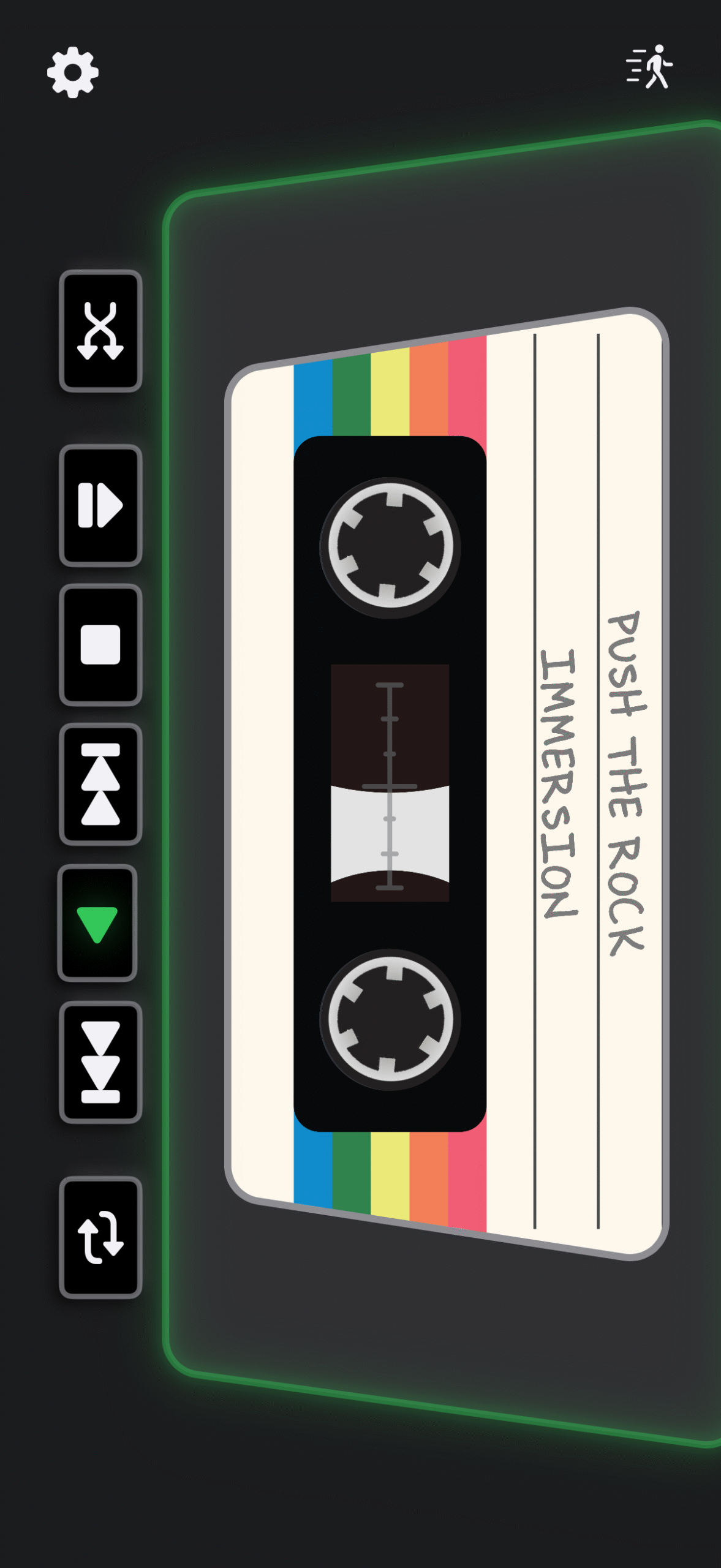
The main WalkStar interface.
What I wanted was something between passive distraction and a gamified apocalypse. Enter WalkStar. Its premise is beautifully blunt: the music stops when you do. I’ll be powering along to a favorite track, but when I stop: silence. It’s the sonic equivalent of a raised eyebrow that gets you going again.
This simple behavioral wiring works for me. My brain gets its distraction and I keep moving. Yet I’m still (subconsciously, at least) “in the zone”. Even better, the app leans hard into nostalgia, being a love letter to music’s past that I actually lived through.
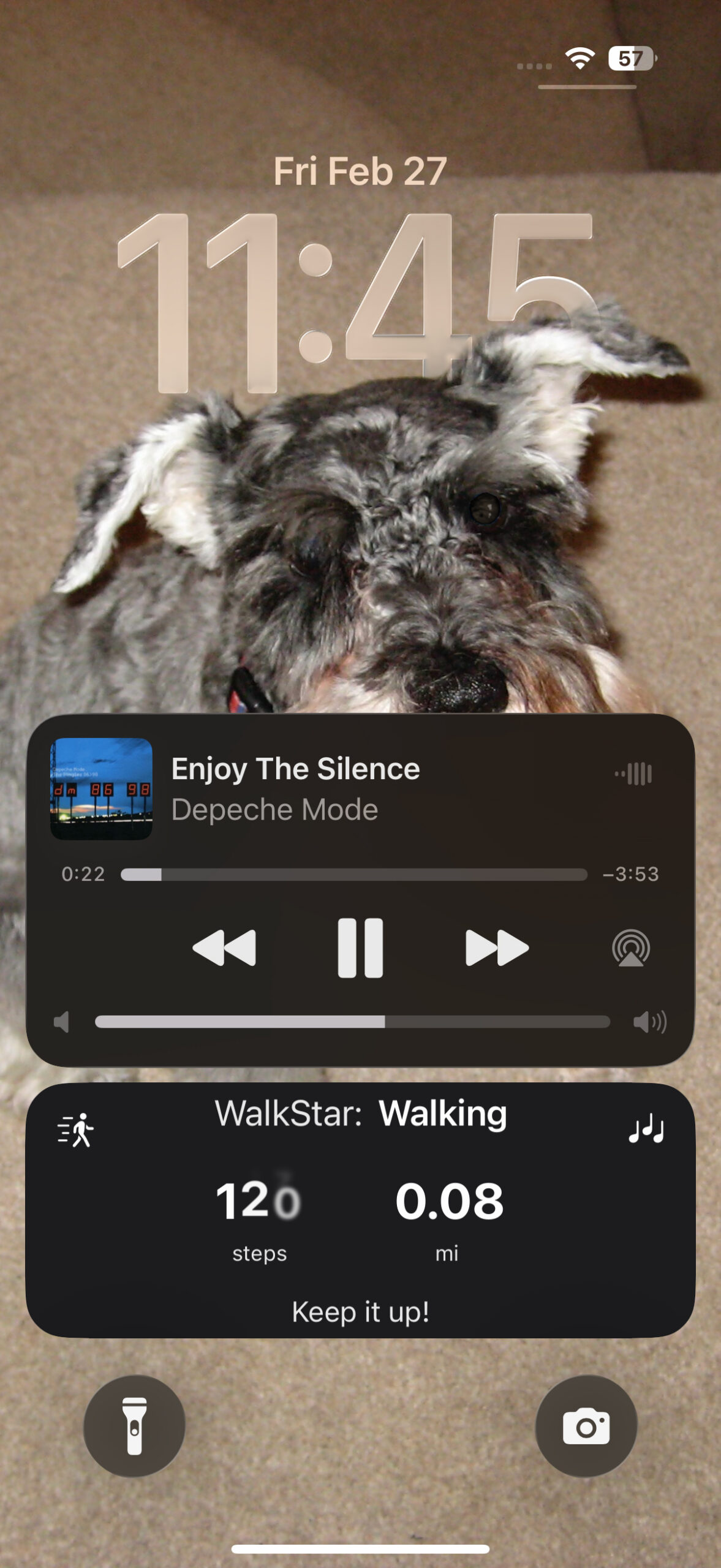
WalkStar on the Lock Screen.
The interface mimics an old-school tape deck, complete with chunky buttons and “cassettes” built from Apple Music albums and playlists. You can even add tape hiss if you want to go full 1985. And there’s modern polish too, with Game Center support to battle friends worldwide, and Live Activities so you can glance at your Lock Screen to see how you’re doing without breaking stride.
The big lesson here? There really is an app for anyone. But also that apps designed to get you moving don’t need to be complicated – they just need to be effective.
WalkStar is a free download from the App Store. The Premium upgrade ($2/£2 per month, $10/£10 per year, or $40/£40 lifetime) adds custom themes and cassette designs, along with integrated historical walk and step data to keep you motivated.