

WWDC 2026 kicked off on June 8 with Apple’s usual tightly edited keynote. Although ostensibly aimed at developers, the sleek presentation was streamed to the masses, providing a glimpse into the future of Apple, the iPhone, and iOS 27. Here’s what we learned.
Apple admitted it was wrong
Sort of. The company did at least come across as more contrite than usual, and talked about how deeply it values and considers feedback. Most notably, it rolled back several design decisions taken last year. App icons are now sharper. Liquid Glass is more flexible on iPhone – and gains a slider for defining its opacity. And on iPad and Mac, Apple has boosted clarity in toolbars and ditched comically rounded window corners.

There will be no escaping Liquid Glass
It’s a good thing Apple improved Liquid Glass, which it claimed will now make its operating systems “more focussed and approachable,” because Xcode 27 removes support for opting out. That doesn’t mean app creators lose the ability to build fully custom interfaces. But it does mean anyone using standard system components had better get on board with Apple’s obsession with glass.
Apple really likes the word “faster”
Apple repeatedly referred to efficiency and speed, and said it had “scoured every part of the OS for opportunities to refine our systems.” Animations are faster. App launches are faster. Spotlight is faster. You get the idea. And while AirDrop transfers being 80% faster might not sound thrilling, a more broadly snappier and responsive device is the opposite of what many have come to expect after a major OS upgrade.
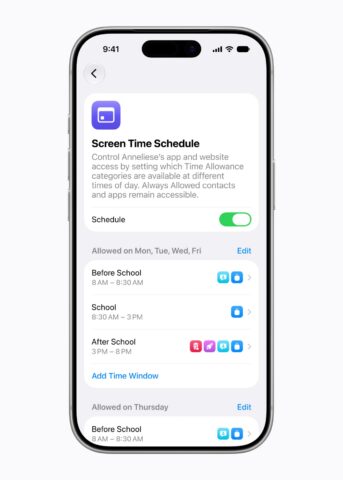
Apple remembered Screen Time exists
This feature was long overdue an overhaul, and it’s getting one under the banner of child safety. While governments seek device restrictions by decree, Apple reckons parents know what’s best for their kids. There are concerns and edge cases, of course, but I was glad to see Apple’s revamp is based on expert recommendations. It also introduces meaningful tools, including flexible schedules, improved activity summaries, ad-hoc approvals for websites and contacts, and the ability to “pause” device usage during moments that deserve full attention.
We won’t be drowning in new features
For the first time I can remember, Apple didn’t flash up cards listing headline features for each operating system. Probably because there aren’t that many. Still, some additions are worth noting. Android and Windows users can join shared photo albums. AirPods gain custom EQ. Cycle tracking adds menopause and perimenopause support. And Flyover in Maps gets a major visual overhaul. Which you’ll love until you remember that Street View remains far more useful.

The iPhone Fold won’t run iPad apps
Apple didn’t actually say this outright. But in Platforms State of the Union (the deep-dive geeky cousin to the keynote) it did introduce “iPhone app resizability.” Apps built with the latest software development kit will automatically adapt to different display sizes, which Apple positioned as a boon when using iPhone apps on iPads or on Macs through iPhone Mirroring. But combined with Apple’s insistence that “optimizing your app for a dynamic range of sizes and aspect ratios is more important than ever,” this all feels like a massive hint at what you’ll see on the internal display of the upcoming iPhone Fold.
Your iPhone 11 is safe – for now
One of the keynote’s most welcome surprises was the confirmation that every iPhone capable of running iOS 26 will also run iOS 27. The same good news did not extend to other platforms. A few iPads miss out on iPadOS 27, while any Apple Watch older than a Series 9 (and the original Ultra) won’t get watchOS 27. It’s strange to think a 2019 iPhone can run Apple’s latest but a four-year-old Apple Watch cannot, but there you go.

Apple is all in on AI
That earlier bit about a lack of new features isn’t entirely true. A bunch were mashed together under Apple Intelligence. After a false start two years ago, Apple now looks ready to deliver on its promises. The keynote demos appeared to run in real time, showing that these features are more than merely aspirational. As ever, Apple banged on about privacy, personal contexts, and improving humanity with its AI efforts. But we also learned Apple wasn’t so different from other companies in this space. That, however, is a story for another piece.