

Apple’s annual developer conference kicked off on June 8. Alongside sessions for app and game makers, the keynote offered everyone a glimpse at what’s in store for Apple platforms over the coming year.
Before the event I wrote about what I wanted to see from iOS 27. That article is printed below, alongside new commentary on whether I got what I wanted.
An emphasis on fixing stuff
Apple’s relentless annual operating system release cycle does it no favors. Teams are pushed toward the next shiny thing rather than fixing what’s broken. And iOS 26 was especially buggy. So while WWDC 2026 will bring new features, Apple also needs to get serious about stability and software quality again.
Did Apple deliver? Yes. The keynote heavily emphasized system improvements over new features.

Issues with legibility and collapsing toolbars remain in Liquid Glass .
User-first interface design
Liquid Glass, despite some tweaks, remains poor on clarity and legibility. But iOS 27’s design issues go deeper. Apple attempted to prioritize content, but too often blurred the boundaries between interface and information, hid essential controls, and wrecked muscle memory. iOS 27 needs to pull things back and make the interface feel dependable and robust again.
Did Apple deliver? Mostly. Liquid Glass remains but Apple made changes based on feedback – although iPad and Mac get more improvements than iPhone.
Meaningful AI
It’s unrealistic to expect Apple to ignore AI. But it’s increasingly clear billions have been poured into AI systems with dubious real-world value. So while Apple was (rightly) criticized for promising much but delivering little in this space, what comes next must be genuinely useful. A smarter Siri and better junk filtering in Mail? Great. AI objects in Photos and more Genmoji? Not so much.
Did Apple deliver? Yes and no. The revamped Siri is powerful and in many cases useful. But Apple couldn’t resist a number of me-too AI moments, including yet more GenAI.

The macOS Spotlight revamp needs to come to iPhone.
The new Spotlight for iPhone
Last year’s Spotlight revamp on Mac vastly sped up searches, filtering, and performing actions on results. Although it’s geared toward keyboards, there’s no reason a similar rethink couldn’t benefit iPhone too. And that’s certainly true when using a hardware keyboard – which is also the case with the next point…
Did Apple deliver? No. Spotlight indexing has been improved, but the interface on iPhone is unchanged.
iPhone desktop mode
We now have a Mac powered by an iPhone chip – from 2024. Every iPhone 17 rivals or surpasses it in terms of raw performance. And since a MacBook Neo can handle desktop apps, logic suggests any iPhone 17 can too. It’s only Apple holding it back. But Android has a proper desktop mode now, and so it’s time Apple brought one to A19 (and above) iPhones when they are connected to external displays.
Did Apple deliver? No. In fact, it looks like even the iPad-sized display on the iPhone Fold/Ultra will be getting nothing more than ‘stretched’ iPhone apps.
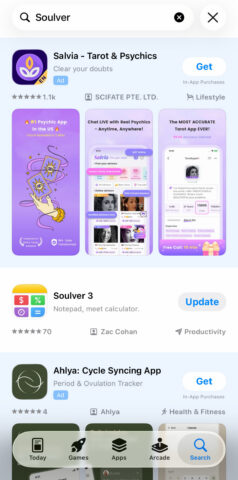
Ads dominate App Store search results.
Fewer ads
Apple’s services revenue under Tim Cook exceeds the company’s entire revenue when he became CEO. But the shift from product-first to services giant has chipped away at the user experience. Cramming ads into Apple apps only benefits Apple. The company has already ruined the App Store this way, and Apple Maps appears next in line. More restraint would be welcome.
Did Apple deliver? Hahahaha – no.
More openness
Apple is one of the world’s biggest companies, yet often behaves like an underdog. Understandable, given its near-death experience in the 1990s. But its attitude toward regulators, developers, and users can feel hostile and heavy-handed.
Third-party apps help iPhone stand apart from Android. Users should be free to install what they want on devices they own. And regulation ensures fair competition. I’d like WWDC 2026 to offer tacit acknowledgement that Apple remembers it should win because its products are better, not because it has the power to crush anyone in its way.
Did Apple deliver? Maybe. Apple for the first time in years felt contrite in the keynote. That said, while it said nice things about developers, it couldn’t help griping about the EU.