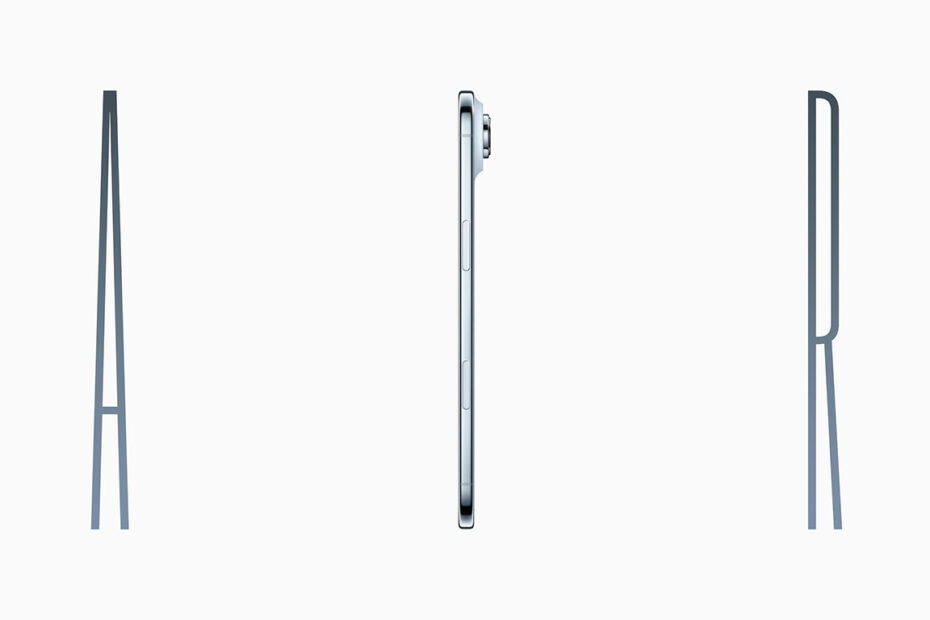

Apple’s thinnest iPhone may already be on the chopping block. Just a month after launch, reports suggest the iPhone Air is quietly entering its “end of life” phase, with production winding down due to weaker-than-expected demand.
Apple doesn’t break down sales by model, so it’s impossible to say for sure how the Air has performed – but all signs point to lower-than-projected sales. A recent investor survey claimed there was “virtually no consumer demand for the iPhone Air model,” echoing what supply chain sources have been reporting.
The Air was designed as a statement piece – the lightest and thinnest iPhone ever made – and it certainly impressed critics from a technical standpoint, earning praise for its engineering and impressive bend-test results. But that hasn’t been enough to move units. The $200 premium over the base model, coupled with compromises in battery life and camera performance, makes it a tough sell for anyone who values practicality over novelty.
Early warning signs appeared during the preorder period, when iPhone Air stock remained widely available even as shipping dates for other models slipped. It’s possible Apple simply overestimated demand and built too much supply, but the pattern suggests the Air hasn’t struck the chord Apple hoped for.
The iPhone Air was marketed as a glimpse of Apple’s future – ultra-thin design and next-gen materials – but it may also have served as a test bed for the company’s next major shift. We reckon the Air’s place in the lineup could pave the way for the long-anticipated folding iPhone, reportedly due in 2026. Still, that same investor survey found only minimal consumer interest in a $2,000 foldable, which could make it another niche experiment in waiting.
Despite the Air’s lacklustre sales, overall iPhone demand remains strong. The base model has proven great value this year, while the Pro Max continues to sell extremely well. Those successes will more than offset any shortfall from the Air – but they also reinforce the sense that Apple’s boldest designs aren’t guaranteed to resonate with everyday buyers.