

Apple has refreshed its Mac lineup with new MacBook Air and MacBook Pro models powered by the latest M5 chips, alongside a pair of new displays. These aren’t world-shattering upgrades, but they do represent decent spec bumps for familiar devices.
The bigger impact might be entry prices creeping up across the board, possibly to better differentiate these Macs from the low-cost “MacBook Neo” rumored to launch later this week. But if you’re in the market for a new laptop or a fancy display, let’s look at what’s new.
MacBook Air
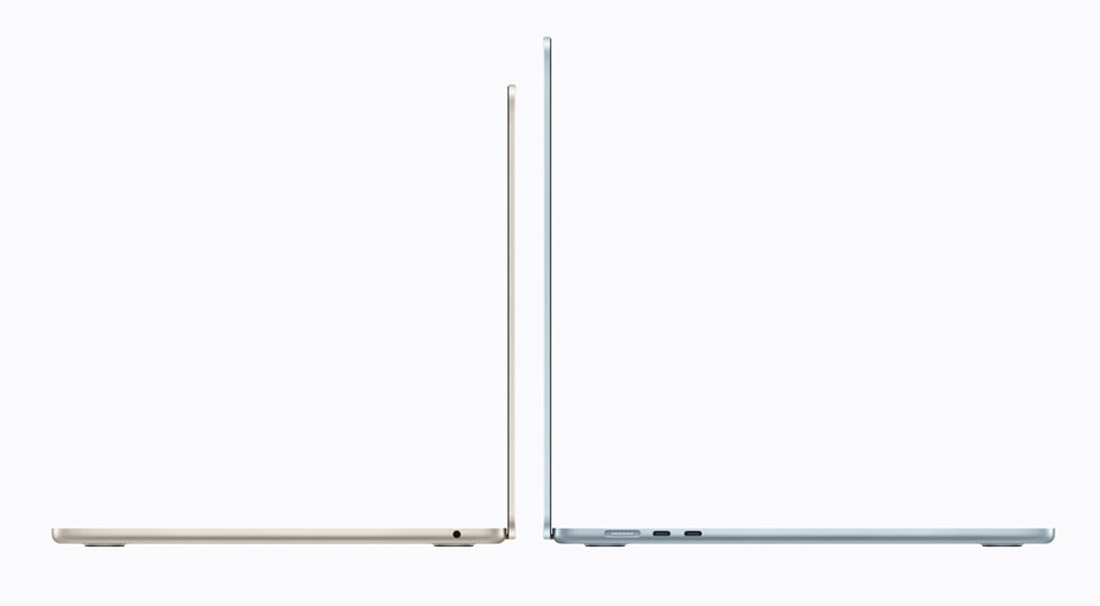
The new MacBook Air sticks with the same basic design as before, available in 13- and 15-inch sizes, but now powered by Apple’s M5 chip. The most noticeable change for everyday users is storage: Apple has doubled the starting capacity to 512GB.
That sounds like a straightforward upgrade, but it also subtly changes the pricing structure. Previously, buyers could opt for a 256GB entry model for $100 less, but that option is gone. The new $1,099 starting price for the 13-inch Air actually matches what the previous generation cost once upgraded to 512GB – meaning users effectively get the storage bump by default, but lose the cheaper entry point.
Connectivity also improves thanks to Apple’s new N1 wireless chip, which brings Wi-Fi 7 and Bluetooth 6. Otherwise, this remains the MacBook Air people know: a thin fanless design, up to 18 hours of battery life, MagSafe charging, a Liquid Retina display, and support for two external displays.
MacBook Pro
Apple’s 14- and 16-inch MacBook Pro models are also getting refreshed with the new M5 Pro and M5 Max chips. Alongside the usual generational performance jump, Apple says these models feature up to 2x faster SSD speeds and higher base storage.
That base storage change is significant. M5 Pro models now start with 1TB, while M5 Max models start with 2TB, which helps explain another shift with this generation: pricing has crept upward. The increase is widely attributed to the ongoing global shortage of high-bandwidth memory, driven largely by the explosion in demand for AI hardware.
Other upgrades include Wi-Fi 7 and Bluetooth 6 via the same N1 wireless chip found in the new MacBook Air, along with Thunderbolt 5 connectivity for faster peripherals and display setups.
AI and gaming priorities
Across both laptops and the new M5 chips, Apple is placing heavy emphasis on AI and graphics workloads. The new chips feature enhanced Neural Engine performance and GPUs that now include a Neural Accelerator in each core, which Apple says can dramatically speed up tasks like local AI model processing, image generation, and video enhancement.
Gaming performance is also a bigger focus than before, thanks to upgraded ray-tracing capabilities and improved graphics cores. These changes will matter a lot to certain users, but borderline irrelevant for others. What it does do even for light users is future-proof the laptops – these will remain snappy for years.
Studio Display
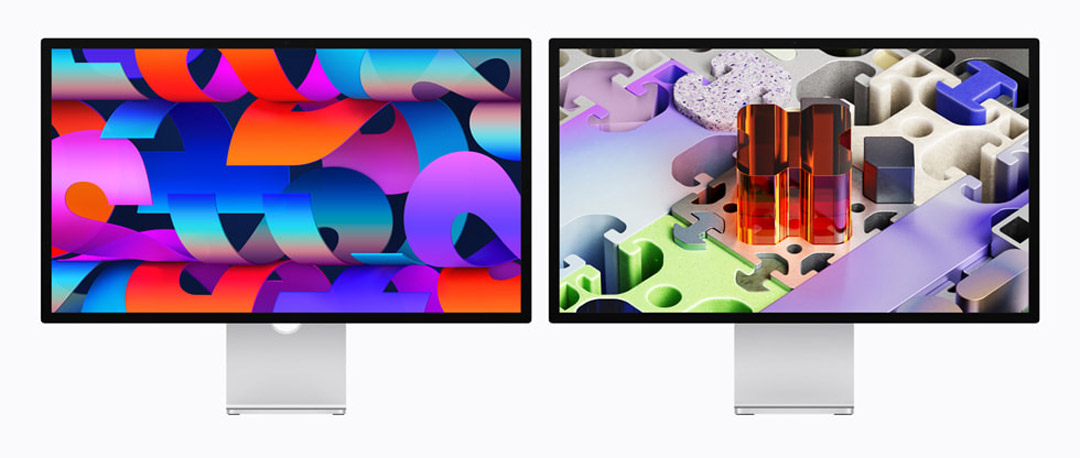
Apple has also refreshed its external display range. The standard Studio Display keeps its familiar 27-inch 5K panel but adds a new 12MP Center Stage camera with Desk View support and Thunderbolt 5 connectivity.
Alongside it is a new Studio Display XDR, which becomes Apple’s top-tier monitor. It features a 27-inch 5K Retina XDR panel with mini-LED backlighting, more than 2,000 local dimming zones, up to 2,000 nits of peak HDR brightness, and a 120Hz refresh rate with Adaptive Sync.
Availability
All of the newly announced Macs are available for pre-order starting March 4, with devices arriving in stores on March 11.