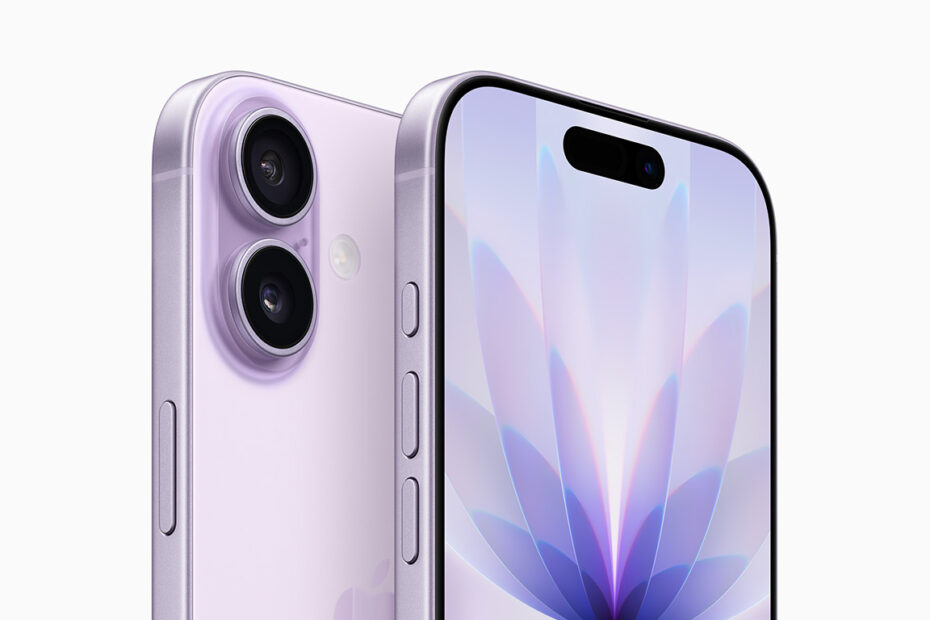

We know Apple’s quarterly earnings report isn’t the most exciting news in the world – unless you’re a shareholder, of course. But this one’s worth a look, because it’s Apple’s first since the launch of its latest iPhones – and its first since the company crossed the staggering $4 trillion market cap milestone.
Apple wrapped up its fiscal year with record September-quarter revenue of $102.5 billion, up 8 percent year-on-year, and earnings per share up 13 percent to $1.85. That makes it Apple’s strongest September quarter ever, driven by all-time highs for both iPhone and Services.
The iPhone, in particular, saw its best growth in three years – impressive given that the iPhone 17 and 17 Pro were relatively safe, incremental upgrades. The only bold release, the ultra-thin iPhone Air, hasn’t performed as well, with reports suggesting Apple may already be winding down production. But that hasn’t dented the numbers: iPhone revenue helped push Apple’s total yearly takings to $416 billion.
Meanwhile, Apple’s Services division continues to be its not-so-secret weapon. Subscriptions and digital sales across the App Store, Apple Music, and iCloud once again hit record highs, proving the company’s existing catalog of digital products isn’t losing steam – even without the splashy AI push dominating its competitors.
And that’s the interesting thing here. Apple is still lagging behind rivals when it comes to artificial intelligence, but these results suggest it might not matter quite as much as expected. Customers clearly still want iPhones, and they’re still happy to pay for Apple’s digital ecosystem.
The only weak spot in an otherwise strong report was China, where revenue slipped slightly amid ongoing economic challenges. Elsewhere, though, growth was up across the board, and Apple’s installed base of active devices hit yet another all-time high.
So while this wasn’t a quarter filled with surprises, it was one filled with confidence. Apple’s record results show that even in an era of AI hype and cautious upgrades, the company’s tried-and-tested formula is still hard to beat.