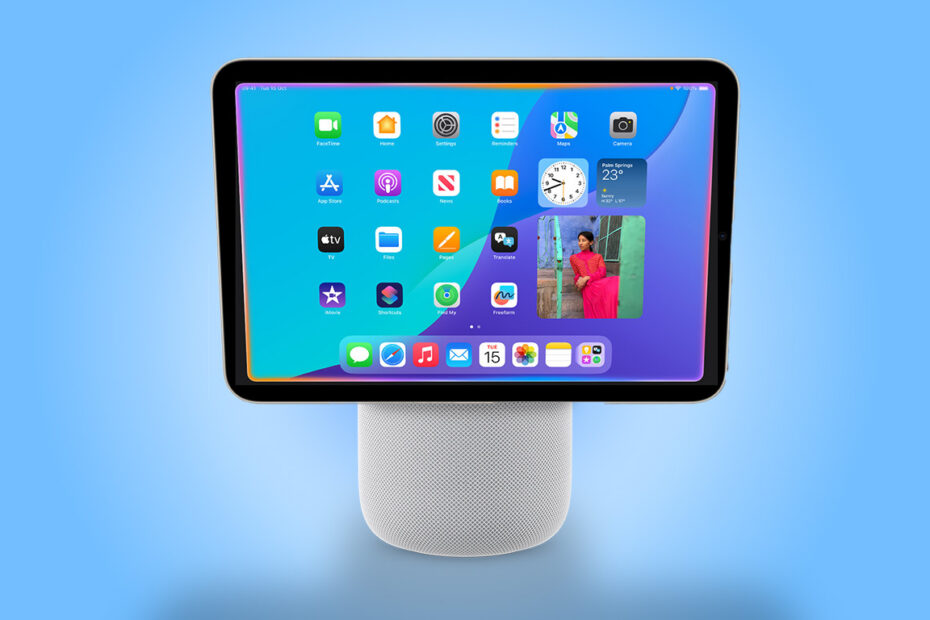

Rumors of a new Apple smart home gadget have been doing the rounds for ages. But rather than a speaker or another way to stream video, the upcoming “Home Hub” is said to be more dedicated to running a smart home.
Its form is likely to resemble a small, square iPad, although one rumor suggests it’ll look more like a HomePod with an iPad glued on top. Either way, I already have a house full of Apple gear and am not convinced I need another gadget.
So here’s what Apple needs to do for the Home Hub to earn a place in my home.
Make it affordable
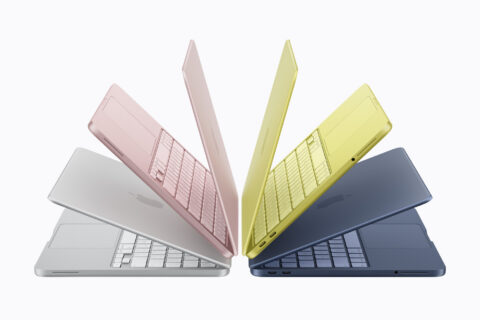
Apple hiked the price of its MacBook Neo recently. Blame AI.
This is tricky. The tech industry is reeling from the vast resources being poured into AI, and gadgets are becoming more expensive. It’s a tall order to make anything affordable, particularly for a company like Apple, which thrives on huge profit margins.
But affordability could be crucial. Many smart home gadgets become popular because they’re cheap enough to buy without much thought. It doesn’t matter if they mostly sit idle. But when a device is inessential, it can’t be priced like a luxury purchase.
Make it extensible
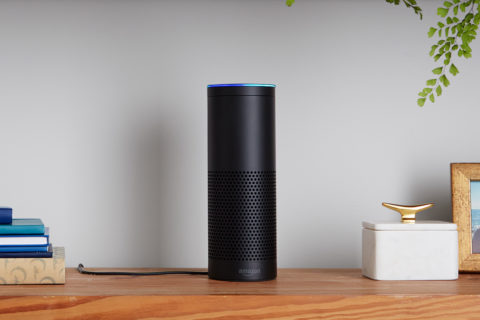
Even the original Amazon Echo was extensible back in 2015.
Rumors claim the Home Hub will lack an App Store, instead having built-in apps and an interface that’s more simplified Apple TV than iPad. You’ll be able to rearrange apps, but not necessarily add more. That would be a strange limitation for a device that looks like an iPad, inviting unfavorable comparisons.
A possible solution would be to treat the Home Hub like the original Apple Watch, where you synced companion apps from apps installed on your iPhone. However, that means app creators have to care, which in itself requires Apple to improve its fraught relationship with developers while selling enough Home Hubs to make supporting the platform worthwhile.
Make it personal

Face ID is great. Also: expensive.
To date, Apple has treated iPads and iPhones as inherently personal devices. That can be frustrating if you’re used to sharing a Mac with multiple accounts across a family. But a device designed for everyone in a household needs to cater to everyone.
That means it can’t show the same information to every person. The Home Hub will need to understand who is using it and what they need. Making that seamless, though, requires Face ID, which would add further cost and complexity.
Make it smart when idle
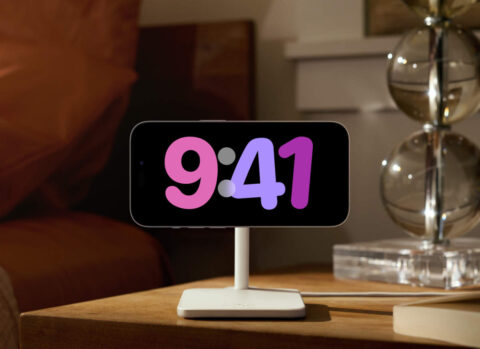
Home Hub needs StandBy. Mind you, so do iPads…
Even Apple’s famous industrial design won’t make a black square on a wall look exciting. So the Home Hub needs to be useful even when nobody is actively using it. An always-on display is one option, but a bright, cluttered screen constantly demanding attention could quickly become another distraction.
Fortunately, Apple already has a solution: StandBy. When idle, the Home Hub could – like many iPhones – display widgets, photos, or a clock. And if it’s in a room where you watch TV, a simple voice command should be enough to have it temporarily fade to black.
Make it look like an iMac G4
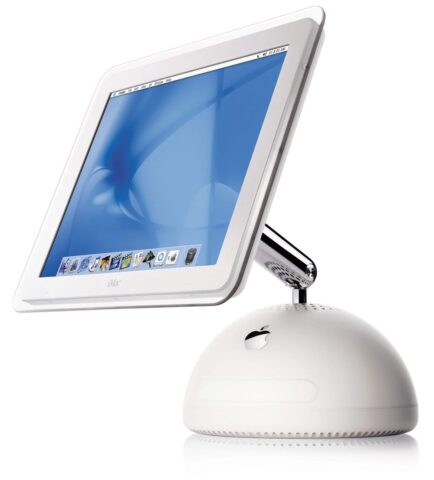
The iMac G4 still looks amazing.
OK, maybe this one’s just for me and not the most critical feature. But the rumor about the Home Hub being a HomePod with an iPad attached has naturally led to predictions that it’ll look an awful lot like an iMac G4.
It’s rare for Apple to revisit its past, but this would be one case where almost everyone would want an exception. That iMac was gorgeous and remains one of Apple’s greatest designs. If the Home Hub ends up as a screen on an arm attached to a white half-dome base, I’m not sure I’ll be able to resist.